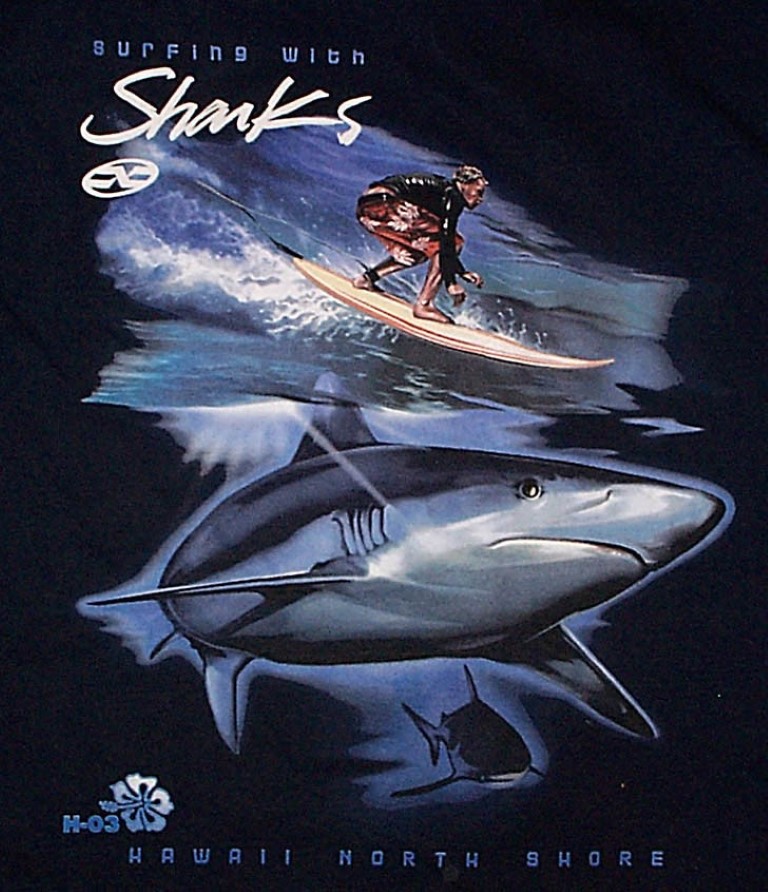
In Simulated Process color separation, intricate artwork is divided into different spot color layers that function collectively to produce images with the effect of color by using halftone dots. Unlike regular color printing, this technique incorporates opaque inks that create deeper and brighter colors for fabrics. It is commonly used for printing photographic images, intricate illustrations, raster artwork, and designs with numerous colors that are hard to reproduce by using regular vector separations. Due to its flexibility and color accuracy, Simulated Process color separation has emerged as one of the most popular printing techniques in the garment industry since the 1990s, as it guarantees stability in production results, eliminating any chances of misprints and allowing for high-quality prints on both light and dark garments.
Raster image editing software such as Adobe Photoshop, etc.